


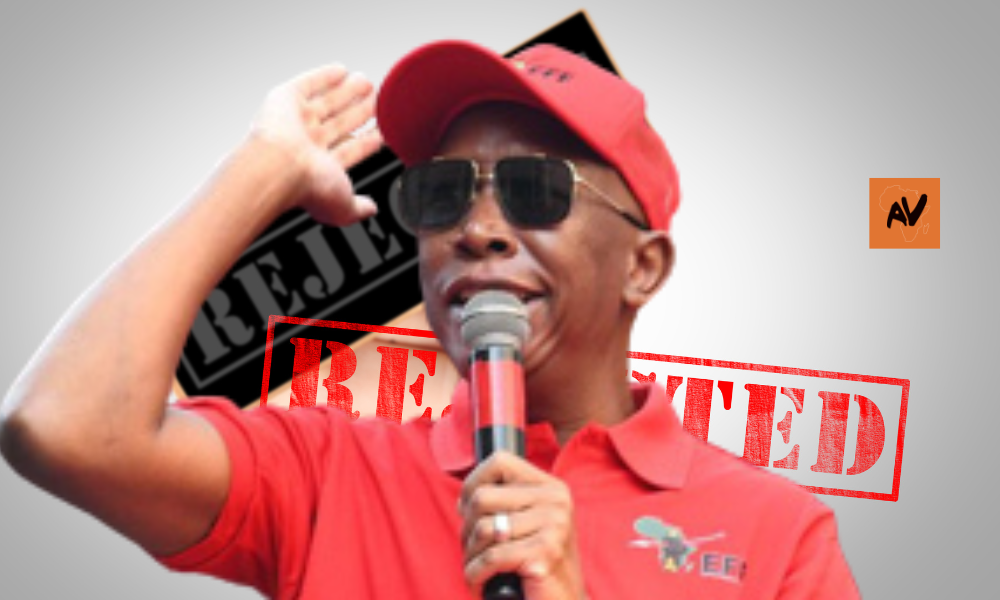
The United Kingdom has barred Julius Malema, leader of South Africa’s Economic Freedom Fighters (EFF), from entering its borders. This “substantive decision,” citing Malema’s “non-conducive to the public good” status, sparks a global debate. It questions the balance between free speech, national sovereignty, and the line where rhetoric becomes incitement. AfricanVibes.com examines the facts, reactions, and broader implications for African leadership and the push for economic emancipation.
Malema and the EFF: A Voice for Radical Change
Julius Malema rose through the African National Congress (ANC) Youth League, known for his populist rhetoric and calls for radical economic transformation. Following his 2012 expulsion from the ANC, he founded the EFF in 2013. The EFF brands itself as a “radical, leftist, anti-capitalist and anti-imperialist movement” committed to economic emancipation for the African majority.
The EFF advocates for nationalization of mines and banks, and land expropriation without compensation. These policies aim to address historical injustices of colonialism and apartheid. They resonate with many South Africans, particularly the youth and those feeling left behind.
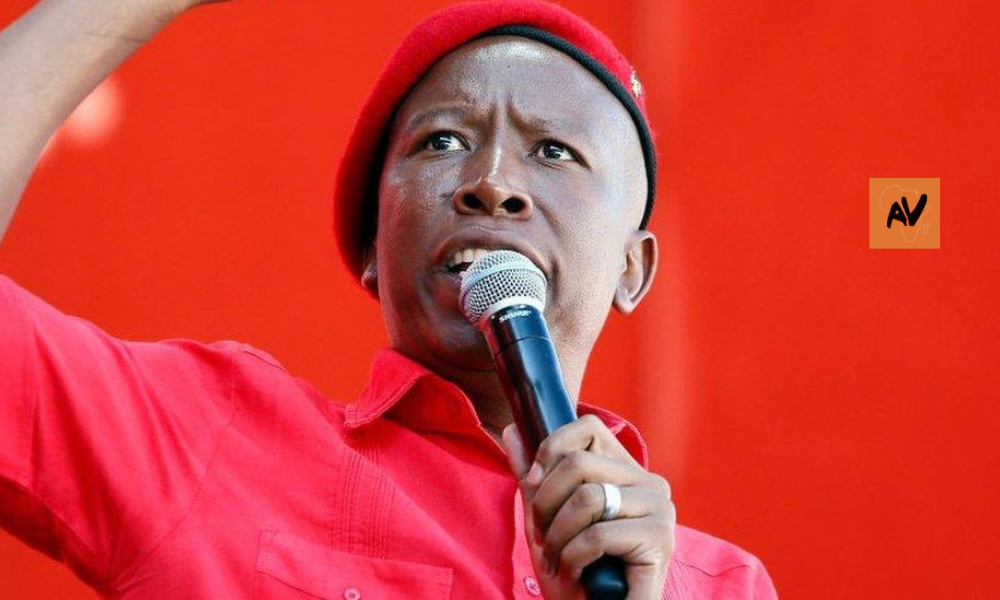
Malema’s outspokenness often courts controversy. His singing of struggle songs like “Kill the Boer” has drawn sharp criticism, though South African courts have previously defended them as protest songs. His recent vocal support for Hamas, including statements about arming the group if the EFF came to power, heightened international concerns following the October 7th attacks.
The UK’s Justification: “Undesirable” Entry
The UK Home Office’s ban is a “substantive decision,” based directly on Malema’s views.
Reasons Cited:
- Support for Hamas: The UK specifically highlighted Malema’s public endorsement of Hamas, which it classifies as a proscribed terrorist organization under the Terrorism Act 2000.
- Incendiary Rhetoric: The Home Office also referenced past comments interpreted as inciting violence, such as threats to “take up arms” and calls for the “slaughter of white people.” The UK prioritizes its own public safety and social cohesion.
The EFF condemned the ban as “cowardice” and an attempt to stifle democratic debate and silence Global South voices. They argue the UK distorted Malema’s views, especially regarding African frustrations over economic exclusion. The party affirmed its commitment to supporting oppressed people globally, including Palestinians, stating it will not “trade its revolutionary beliefs in exchange for a visa.”
Broader Implications: Ideologies in Conflict
The prohibition impacts South African politics, international relations, and the global understanding of free speech.
For South Africa: The ban intensifies international scrutiny of Malema’s rhetoric. The EFF secured 39 seats in the 2024 general elections, representing 9.52% of the national vote. This international pushback could either validate concerns about incitement or, conversely, enhance Malema’s image as an anti-Western champion among his supporters.
South Africa’s Government of National Unity must navigate delicate diplomatic ties. The country’s official unemployment rate reached 33.17% in 2024 (Q1, 2024 data indicates 32.9%), with Black African women experiencing the highest rate at 38.6%, compared to 7.7% for White South African men in late 2024.
Global Standards: The UK’s decision sends a clear message on acceptable political discourse, particularly regarding violence and terrorism. Nations are increasingly asserting their right to deny entry to individuals deemed threats, raising questions about universal free speech versus sovereign border control.
ALSO READ: African Nations Bear the Brunt of Broadened US Entry Bans
Pan-African Solidarity: Many Africans and diaspora communities view the UK’s action as an attempt to silence a voice advocating for dismantling economic inequalities and challenging Western dominance. The EFF’s stance on self-determination resonates with a long-standing narrative of resistance against external interference in African affairs.
Addressing Historical Grievances: Malema’s calls for land expropriation and nationalization are a direct response to colonial and apartheid injustices. Data from 2017/2018 indicates that 72% of farms and agricultural holdings owned by individuals were held by White individuals (who constitute about 7.3% of the population), while Black Africans (making up 81.4% of the population) owned only 4%.
Critics argue that the UK’s focus on “incitement” may overlook this historical context and the persistent economic disparities. South Africa remains one of the world’s most unequal societies, with a Gini coefficient of around 0.67 (2018 data), and the richest 10% of households are responsible for about 52% of all expenditure.
Conclusion: African Voices on the Global Stage
The UK’s ban on Julius Malema is a flashpoint in the global conversation about political dissent and the limits of free speech. It highlights the complex dynamics between the Global North and South.
While the UK asserts its sovereign right, the EFF and its supporters see the ban as political suppression. This incident serves as a potent reminder that the fight for economic and intellectual emancipation in Africa is ongoing. African voices will continue to demand their space on the global stage, even if it means challenging entrenched norms. This situation compels a deep