


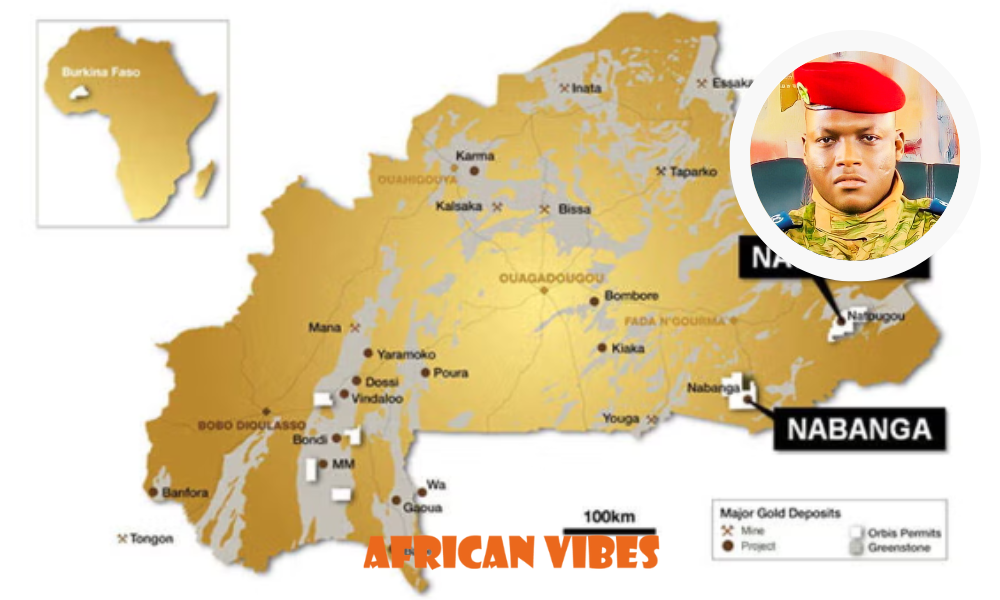
What Lies Beneath the Gunfire
In Ouagadougou’s dusty gold market, whispers travel faster than gunfire.
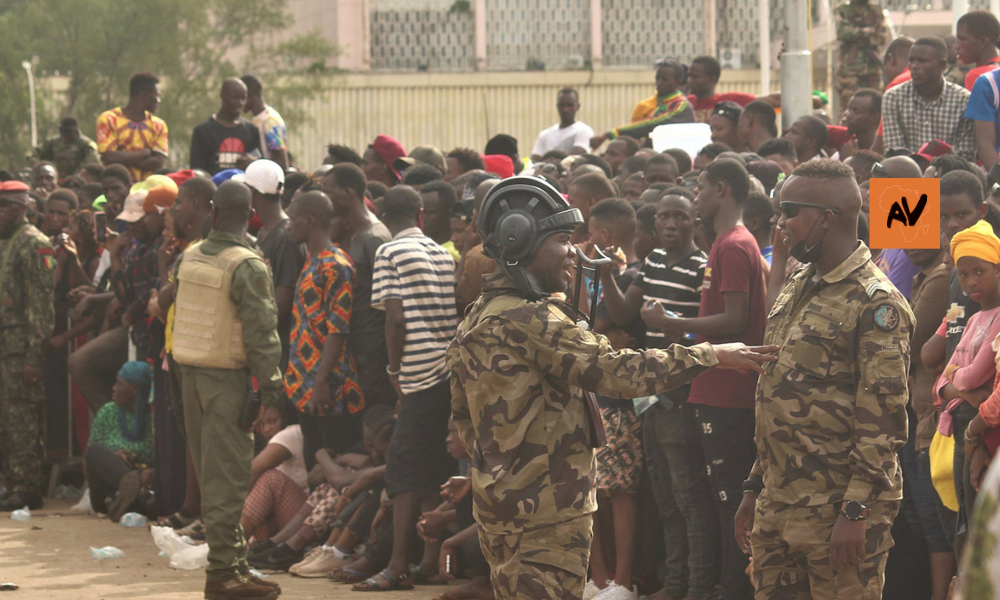
One minute, traders haggle over glimmering nuggets smuggled from the north; the next, soldiers in fatigues swarm the streets, weapons raised, as rumors of another coup attempt crackle through the capital.
For many Burkinabè, another military takeover hardly surprises. The real question has shifted: Who, behind the smoke and chaos, stands to gain?
A Nation Locked in Perpetual Upheaval
Burkina Faso has become a grim case study in instability.
Since the charismatic revolutionary Thomas Sankara was assassinated in 1987, the nation has lurched from one power struggle to the next: military strongmen, populist uprisings, transitional governments — all undone in a relentless cycle.
The most recent upheaval unfolded in 2022, when a young army captain, Ibrahim Traoré, seized power, vowing to restore security and national dignity.
Yet by 2025, Traoré himself stands on precarious ground, with coup plots surfacing like clockwork.
But Burkina Faso’s troubles are not solely the product of internal dysfunction. They are intimately tied to the wealth hidden beneath its red earth.
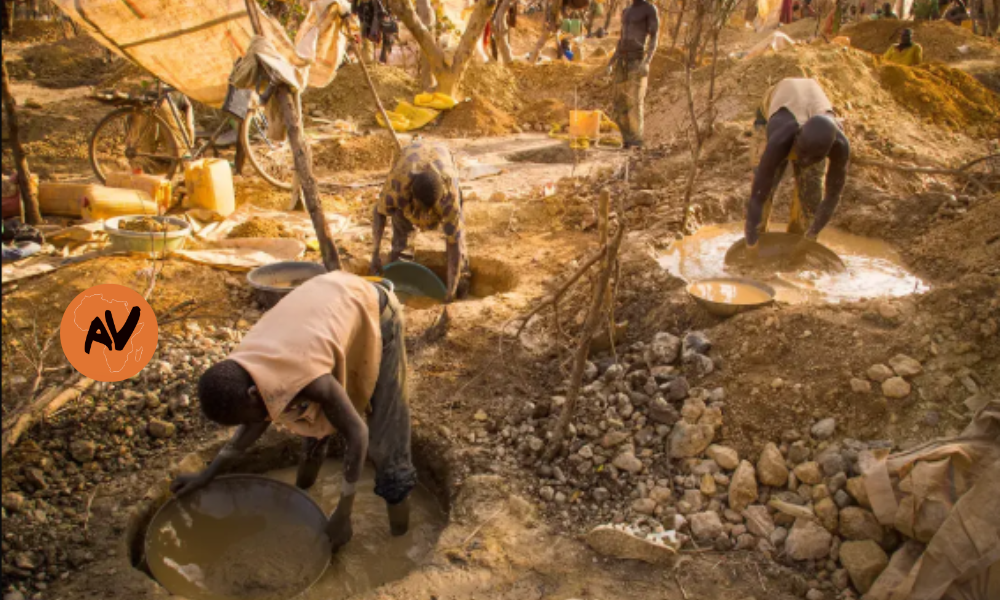
Blood and Gold: The Hidden Wealth Beneath the Soil
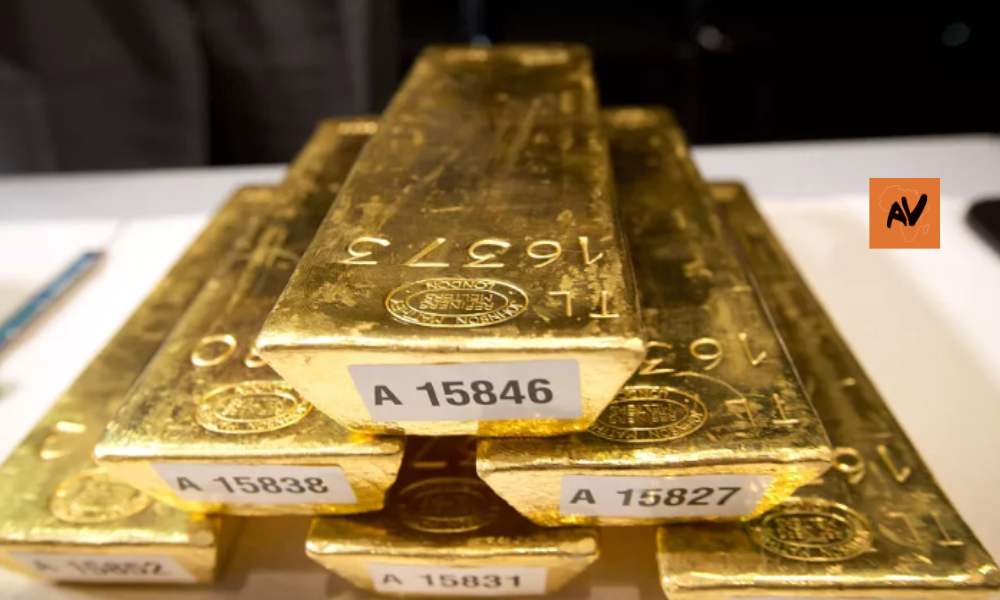
Burkina Faso is rich — devastatingly so.
It ranks as Africa’s fourth-largest producer of gold, accounting for nearly 70% of its total exports.
Beyond gold, its land holds vast, largely untapped deposits of manganese, zinc, and possibly rare earth minerals — resources crucial for everything from smartphones to electric vehicles.
But prosperity remains a mirage for most citizens.
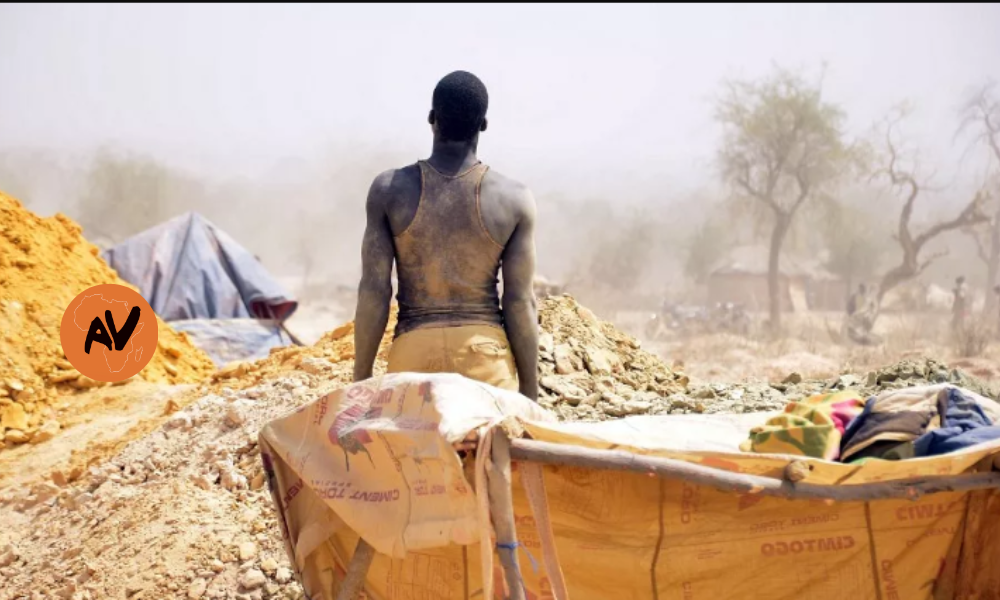
Large-scale mines, operated by foreign firms, coexist uneasily with a sprawling network of artisanal mining camps, many operating illegally and under brutal conditions.
In the north and east, jihadist groups — some linked to Al-Qaeda and ISIS — tax or seize mining revenues to fuel their insurgencies.
Where there is gold, there is blood.
ALSO READ: Niger, Mali, and Burkina Faso Exit ECOWAS And Here’s Why
Coup Economics: How Instability Becomes a Business Model
Coups, ironically, benefit many powerful players.
Each political reset provides a golden opportunity for renegotiations:
- Foreign mining giants secure better concessions from desperate, isolated juntas.
- Local elites siphon off mining profits while ordinary soldiers scramble for survival wages.
- Armed groups expand their control over extraction zones as government attention fractures.
In leaked documents reviewed by independent watchdogs, at least three multinational firms renegotiated their mining licenses at steep discounts after the 2022 coup.
Meanwhile, satellite imagery reveals an explosion of unregulated mining sites in areas abandoned by the state.
Instability, far from disrupting the resource economy, has become its lubricant.
Foreign Hands in the Gold Rush
While Traoré’s junta projects an image of sovereignty, foreign fingerprints are everywhere.
France, Burkina Faso’s former colonial ruler, maintains complex economic ties despite officially withdrawing military forces.
French companies still hold stakes in key mining operations, even as anti-French sentiment simmers in the streets.
Enter Russia.
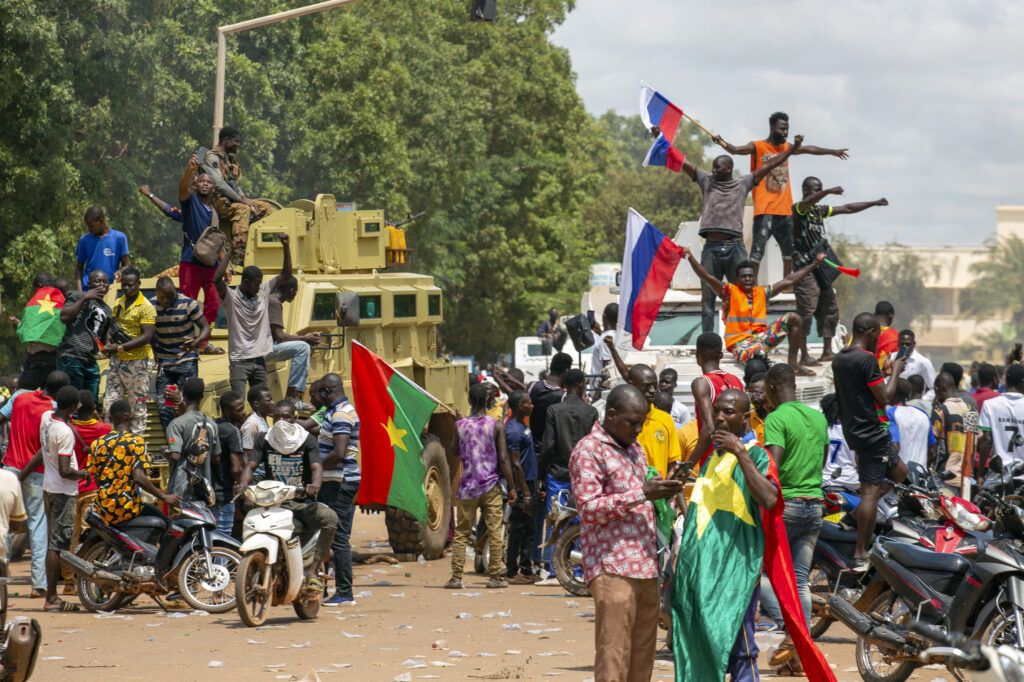
Through Wagner Group-linked mercenaries and shady business proxies, Moscow has aggressively pursued influence, offering security assistance in exchange for mining concessions.
Recent intelligence suggests that at least two gold mines in northern Burkina are now under de facto Russian control.
Meanwhile, private Western “security contractors” — often hired by mining firms — operate in a legal grey zone, blurring lines between corporate protection and paramilitary activity.
Burkina Faso’s soil has become the newest battlefield in a global scramble for Africa’s riches.
Traoré’s Balancing Act: Revolutionary Rhetoric vs Economic Realities
Captain Traoré rose to power on a wave of pan-African, anti-imperialist fervor, invoking the spirit of Sankara himself.
He railed against Western neocolonialism and promised to “reclaim the wealth of the Burkinabè for the Burkinabè.”
Yet the constraints he faces are suffocating.
With the treasury drained, insurgents surging, and foreign investors wary, Traoré has little choice but to engage — even if reluctantly — with foreign mining interests.
Analysts say Traoré walks a tightrope:
- Reject too many outside players, and Burkina Faso risks economic collapse.
- Embrace them too eagerly, and he alienates the revolutionary base that brought him to power.
It is a gamble few have survived in the Sahel.
The Human Cost: Who Pays for the Gold?
For ordinary Burkinabè, the promise of gold is a bitter one.
Villages near mining zones are emptied — civilians displaced by jihadist violence or forced into dangerous artisanal mines.
In the Sahel region alone, over 2 million people have been displaced since 2015.
At illegal sites, children as young as 10 descend into unstable shafts, risking death for a few flecks of ore.
Women and girls face rampant abuse, both from bandits and predatory militia groups.
As one miner, Abdoul, told Amnesty International:
“Here, gold is not wealth. It is death.”
ALSO READ: Burkina Faso Launches State Of The Art Tomato Processing Plant
Can Burkina Faso Break the Cycle?
Hope flickers, faint but present.
Some local activists advocate for resource nationalization, demanding that gold revenues fund hospitals and schools rather than foreign bank accounts.
Regional movements across West Africa call for greater pan-African solidarity to resist external plunder.
International watchdogs urge stronger transparency mechanisms, like EITI (Extractive Industries Transparency Initiative) compliance, to shine light on backroom deals.
Yet without a fundamental shift in who controls the land — and for whose benefit — Burkina Faso risks remaining trapped: a nation bleeding for riches it will never truly own.
Conclusion: The True Battle for Burkina Faso
The coups, the rebellions, the foreign alliances — they are not random acts of chaos.
They are battles over wealth, sovereignty, and the future of a nation whose riches lie just beneath the surface.
In Burkina Faso, gold glitters, but it also kills.
And unless the underlying fight for ownership is won, the blood spilled will continue to water fortunes that never return home.