


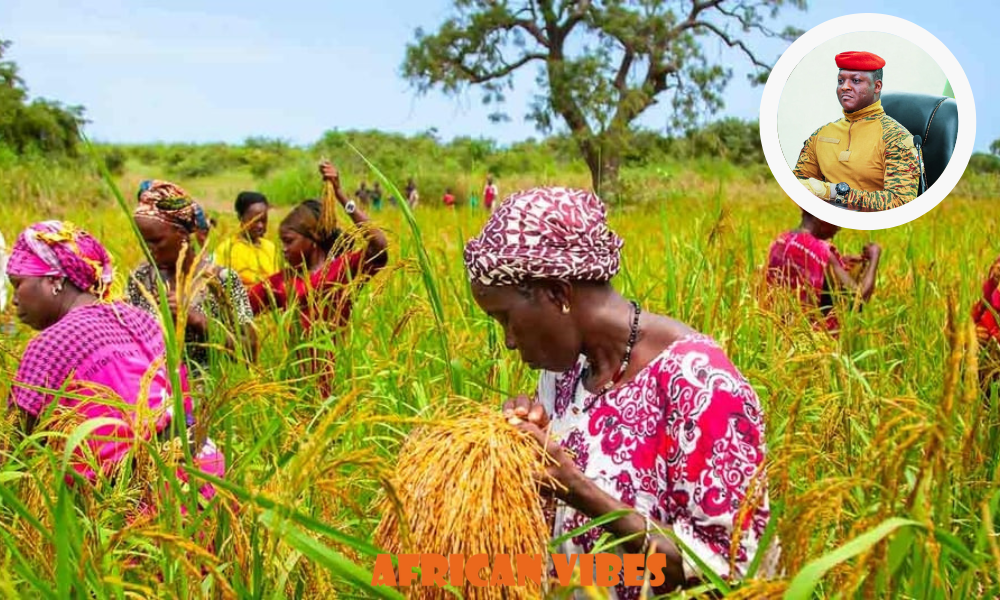
Burkina Faso is making significant strides in agricultural development, implementing a comprehensive strategy to enhance food security and modernize its agricultural sector. With a focus on resilience, modernization, and strategic partnerships, the country aims to boost local food production, reduce dependence on imports, and strengthen its economy.
A Game-Changing Initiative: The Emergency Project for Increasing Agricultural Production (PURPA-BF)
One of the major pillars of Burkina Faso’s agricultural transformation is the Emergency Project for Increasing Agricultural Production (PURPA-BF), a government initiative supported by the African Development Bank (AfDB). With a financial boost of €38.4 million, this project is part of the Bank’s African Emergency Food Production Facility and World Bank, launched in response to global food supply disruptions, including those caused by the Russia-Ukraine conflict.
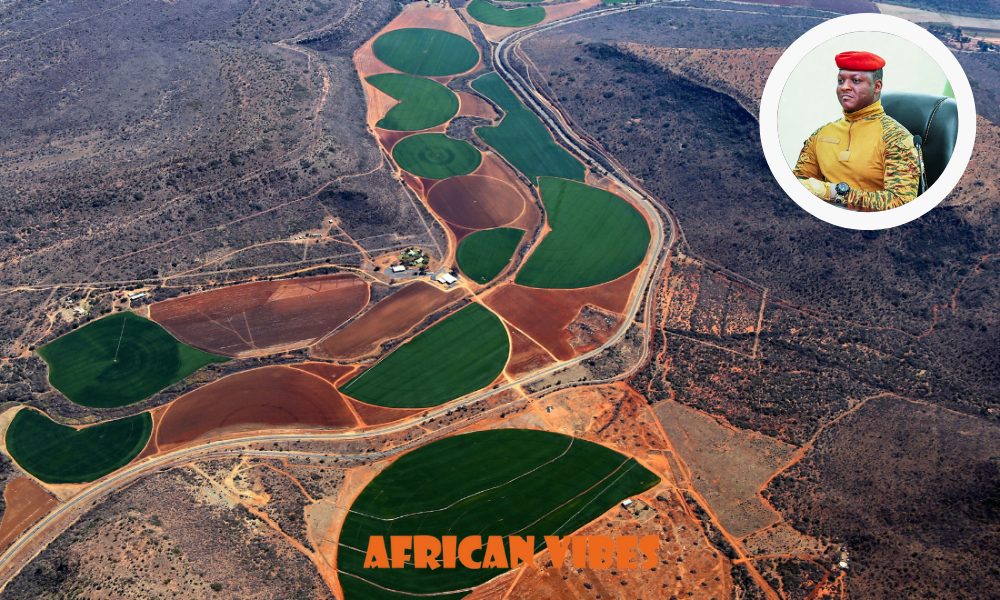
Key Focus Areas of PURPA-BF:
- Crop Production: The initiative targets the increased production of maize, rice, soya, cowpea, sorghum, and wheat, all crucial staples in Burkina Faso.
- Climate-Adapted Seeds and Fertilizers: To combat climate challenges, farmers are provided with high-yield, climate-resilient seeds and necessary fertilizers.
- Support for Farmers: More than 330,000 farmers, including women, internally displaced individuals, and youth, are set to benefit from this initiative, improving livelihoods and fostering inclusivity in agricultural development.
Driving Agricultural Revolution and Modernization
Beyond emergency responses, Burkina Faso is investing in long-term agricultural modernization. The government is making significant investments in mechanization, infrastructure, and training to enhance efficiency and productivity.
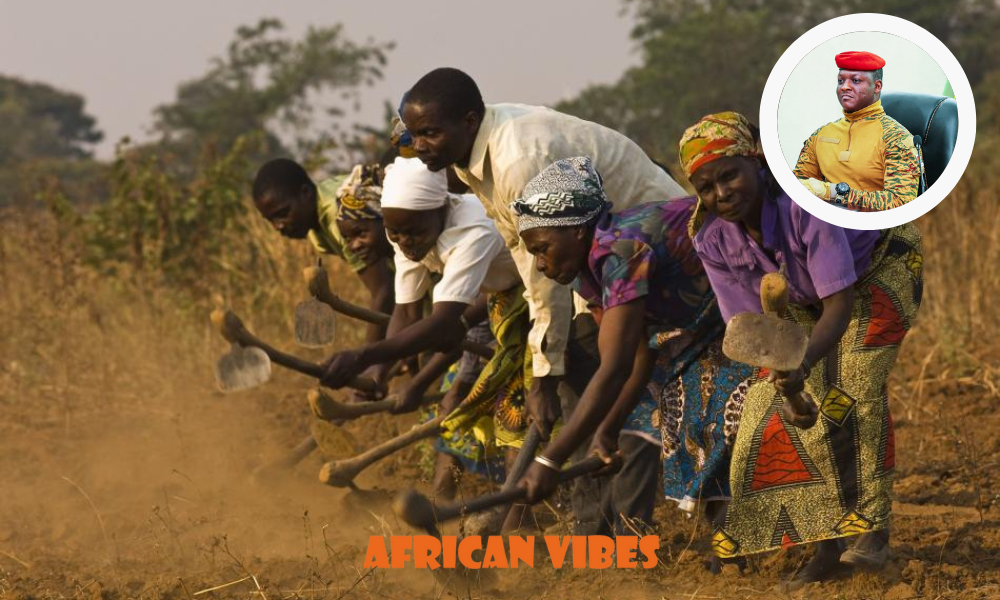
Core Areas of Modernization:
- Mechanization: The introduction of modern farming equipment such as tractors and automated irrigation systems aims to increase productivity and enable year-round farming.
- Infrastructure Development: Investments in warehouses, irrigation facilities, and distribution networks are expected to strengthen local food supply chains and reduce post-harvest losses.
- Farmer Training: Education and skill-building programs are being implemented to teach farmers sustainable soil management and advanced agricultural techniques.
ALSO READ: Niger, Mali, and Burkina Faso Exit ECOWAS And Here’s Why
Strategic Plans and Global Partnerships
Burkina Faso is aligning its agricultural vision with international organizations and initiatives that provide both technical and financial support.
Key Collaborations:
- AGRA Strategic Plan (2023-2027): The Alliance for a Green Revolution in Africa (AGRA) is working closely with Burkina Faso to improve crop productivity, particularly in maize, rice, and soya production.
- GIZ Agricultural Development Programme: The German development agency GIZ is focusing on market-oriented, sustainable agricultural practices to integrate farmers into viable supply chains.
- International Fund for Agricultural Development (IFAD): IFAD has been a key partner in supporting smallholder farmers and rural development efforts in Burkina Faso.
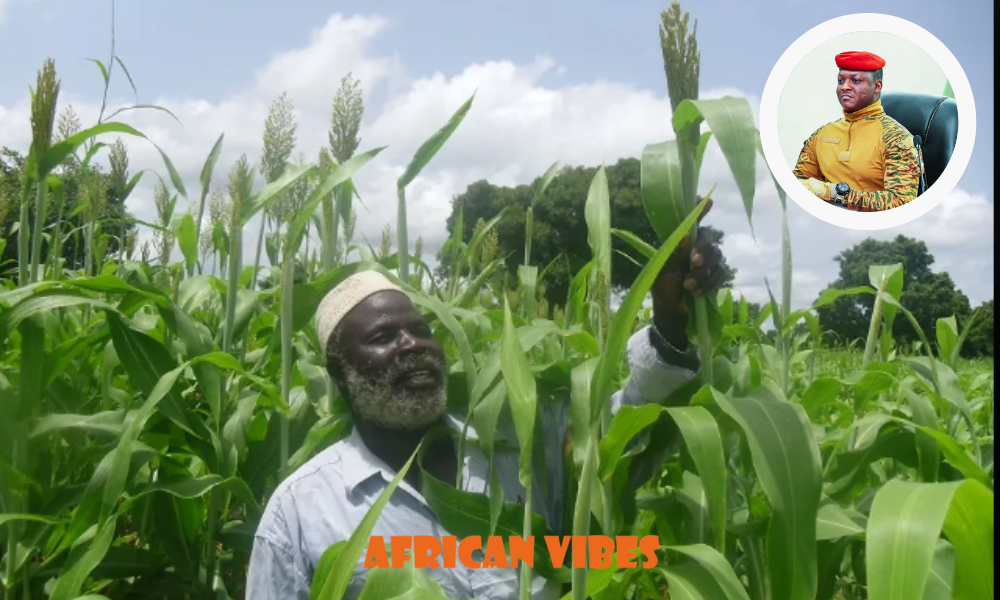
Overcoming Challenges and Unlocking Opportunities
While Burkina Faso’s agricultural sector is on a transformative path, it still faces key challenges, including climate change and external market pressures. However, the government is positioning itself as a leader in climate adaptation strategies through resilient farming practices and policy support.
The Broader Economic Impact:
- Agriculture employs nearly 80% of Burkina Faso’s workforce, making it a cornerstone of the national economy.
- Increased domestic production will reduce dependency on food imports, improving the country’s trade balance.
- Strengthening food security will also play a critical role in stabilizing the country’s socio-economic landscape, particularly for vulnerable populations.
ALSO READ: Idris Elba Takes On Initiative To Transform Africa’s Film Industry
A Step Toward Food Sovereignty and Economic Growth
Burkina Faso’s commitment to agricultural reform underscores its determination to achieve food security, enhance economic stability, and create sustainable opportunities for its people. With a multifaceted strategy that integrates emergency interventions, modernization, and global partnerships, the nation is well on its way to becoming a model for resilient and productive agriculture in West Africa.
As the country continues to navigate challenges, the success of its agricultural strategy will serve as a benchmark for other African nations aiming to revolutionize their food production and economic landscapes.