


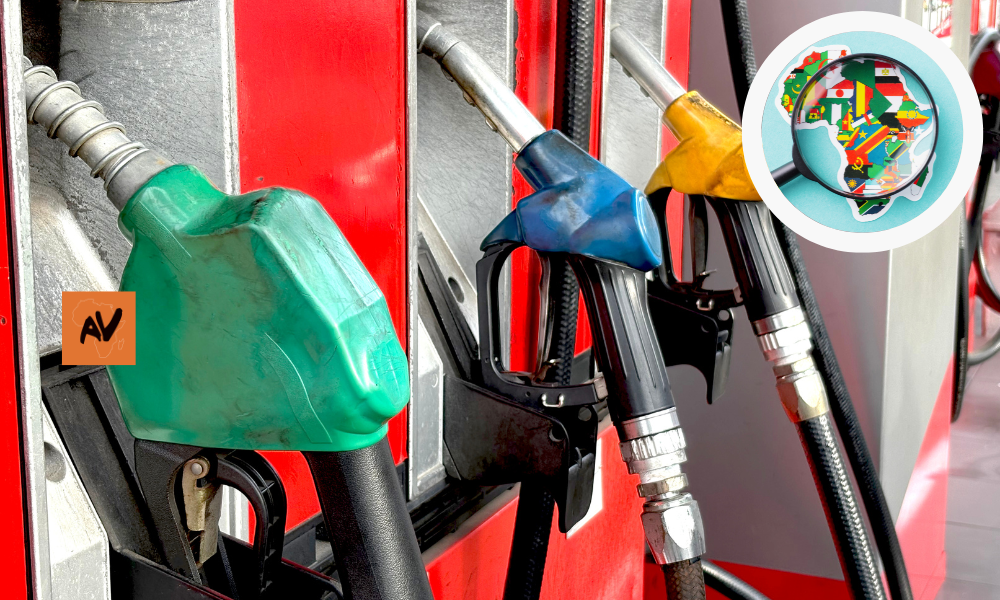
There is a fragile sense of relief washing across the global energy market, but the benefits are hitting local economies at vastly different speeds. The global average petrol price notched a welcome decline this month, slipping from $1.51 per liter last month down to $1.48 per liter.
Following a period of intense volatility triggered by supply anxieties in the Middle East, a tentative stabilization in international oil markets has allowed global averages to cool. Yet, across Africa, the reality at the fuel pump remains starkly divided. While a few nations have successfully passed these international savings directly to consumers, others are grappling with heavy domestic taxes, weakened currencies, and severe import logistics costs.
The latest dynamic data reveals major shake-ups, with East African heavyweights Uganda and Kenya officially entering the top 10 list of the continent’s most expensive fuel, completely replacing Tanzania and Senegal.
Drawing from the latest data, here is the breakdown of the African nations bearing the highest cost for petroleum.
Winners and Losers: Africa’s Shifting Fuel Landscape
The current price landscape highlights mixed fuel movements across the continent. Rather than a singular economic narrative, individual domestic policies are dictating the price of a commute:
- The Reprieved: Malawi, Zimbabwe, Rwanda, and the Central African Republic all registered slight reductions at the pump compared to last month, offering fractional relief to businesses.
- The Squeezed: Motorists in Seychelles, Cabo Verde, and South Africa faced modest price hikes. In South Africa, the partial reinstatement of fuel levies quickly offset cooling international crude prices.
- The Steady: Sierra Leone showed remarkable policy consistency, keeping its pump prices completely unchanged month-on-month.
ALSO READ: Visa-Free Travel in Africa: Rwanda and Kenya Join List Of Countries Opening Their Borders
Ranked: The 10 Most Expensive African Nations for Fuel
1. Malawi
- Price per liter: $3.234
- Global Position: 2nd most expensive worldwideDespite a marginal drop from last month’s highs, Malawi remains the undisputed most expensive place on the continent to purchase fuel. Complete reliance on overland transit through neighboring states combined with recent domestic exchange rate adjustments keeps local prices astronomically high.
2. Rwanda
- Price per liter: $2.000
- Global Position: 24thRwanda has engineered a slight reduction this month, successfully anchoring its retail price exactly at the two-dollar mark. The country’s landlocked geography keeps logistics costs structural, but tighter regulatory caps have cushioned further spikes.
3. Zimbabwe
- Price per liter: $1.980
- Global Position: 28thZimbabwean motorists enjoyed a modest price drop this month, bringing the per-liter cost below the $2 threshold. Currency fluctuations and complex supply routes continue to dictate the underlying baseline, though international market cooling has provided some reprieve.
4. Central African Republic
- Price per liter: $1.823
- Global Position: 43rdThe Central African Republic registered a minor reduction this month. Without domestic refining infrastructure and facing volatile overland transit corridors, getting refined product to local filling stations remains an incredibly costly endeavor.
5. Sierra Leone
- Price per liter: $1.779
- Global Position: 45thSierra Leone bucked the trend of monthly fluctuations by holding its fuel prices completely flat. Government intervention and fixed pricing frameworks have temporarily insulated consumers from international market movements.
ALSO READ: 1 Hour Coastal Catamaran Cruise from Cape Town
6. Uganda
- Price per liter: $1.704
- Global Position: 54thA new entry into the top ten, Uganda ousts its regional peers due to rising import premiums and local logistical pressures. The landlocked country’s reliance on pipeline networks through its neighbors heavily exposes it to cross-border tariff changes.
7. Seychelles
- Price per liter: $1.694
- Global Position: 56thAs an isolated island archipelago, Seychelles must absorb high maritime freight shipping costs. A modest price increase this month highlights its extreme vulnerability to shifts in global tanker shipping rates.
8. Cabo Verde
- Price per liter: $1.684
- Global Position: 58thSimilarly bound by its island geography, Cabo Verde recorded a slight price increase. Without local oil reserves or regional supply integration, ocean freight premiums directly dictate consumer pain at the pump.
9. South Africa
- Price per liter: $1.670
- Global Position: 60thDespite the Rand holding reasonably firm against the US Dollar, South African motorists absorbed a price hike. This surge was primarily driven by the National Treasury reinstating a portion of the general fuel levy, pushing prices toward historic highs.
10. Kenya
- Price per liter: $1.643
- Global Position: 64thRounding out the top ten, Kenya has officially re-entered the highest-priced cohort. While regional neighbor Tanzania dropped off the list due to local relief measures, Kenya’s structural tax layers on petroleum products keep local pump prices stubbornly elevated.
Snapshot: African Fuel Prices at a Glance
| Africa Rank | Country | Price per Liter (USD) | Monthly Trend |
| 1 | Malawi | $3.234 | ↘️ Slight Decrease |
| 2 | Rwanda | $2.000 | ↘️ Slight Decrease |
| 3 | Zimbabwe | $1.980 | ↘️ Slight Decrease |
| 4 | Central African Republic | $1.823 | ↘️ Slight Decrease |
| 5 | Sierra Leone | $1.779 | ➡️ Unchanged |
| 6 | Uganda | $1.704 | ↗️ New Entry / Increase |
| 7 | Seychelles | $1.694 | ↗️ Modest Increase |
| 8 | Cabo Verde | $1.684 | ↗️ Modest Increase |
| 9 | South Africa | $1.670 | ↗️ Modest Increase |
| 10 | Kenya | $1.643 | ↗️ New Entry / Increase |
The Macro View: Why Africa Faces a Divided Fuel Reality
The primary reason global oil price drops don’t immediately trigger relief across Africa comes down to currency dynamics and state intervention. Because international crude oil is traded globally in US Dollars, any depreciation of a local African currency instantly wipes out the benefits of a global price drop.
Furthermore, nations like Tanzania and Senegal managed to exit the top 10 this month by adjusting state-backed cushions or optimizing bulk-import systems. Conversely, countries relying heavily on fuel levies to fund national budgets—like South Africa and Kenya—keep retail prices artificially decoupled from the downward global trend, ensuring fuel remains a premier fiscal pressure point for the foreseeable future.