


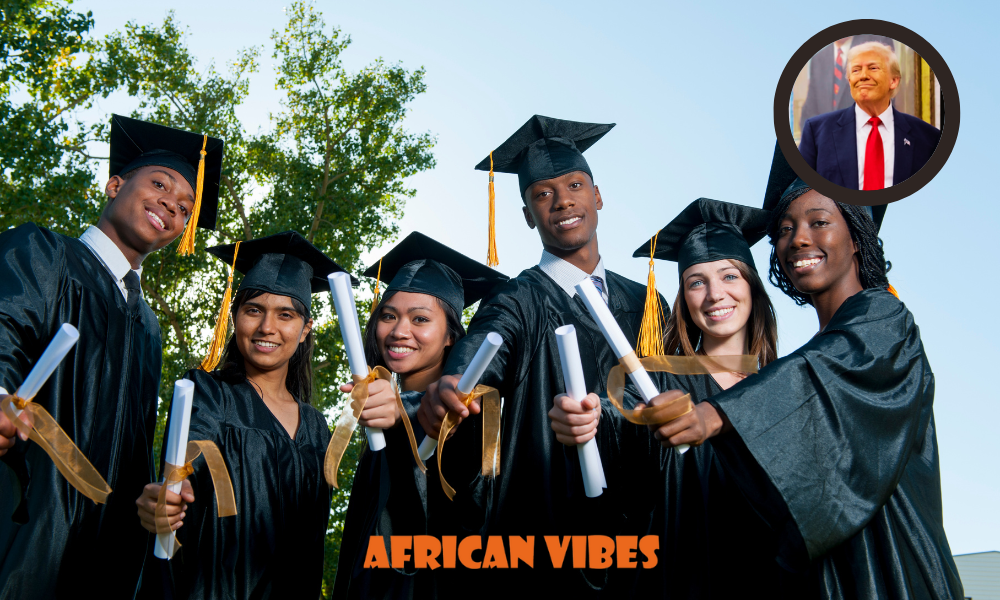
In a dramatic shift in U.S. immigration policy, the U.S. State Department has announced sweeping new requirements for international student visa applicants. Effective immediately, all applicants for F (academic), M (vocational), and J (exchange visitor) visas must make their social media profiles public for review. This unprecedented move has triggered global concerns around privacy, digital freedom, and academic inclusivity—issues particularly critical to thousands of African students seeking U.S. education.
The directive follows a brief suspension of visa interviews earlier this year, during which time the State Department quietly developed the enhanced screening protocols. The department cites “national security” and the need to detect “hostile attitudes” as justification, but critics argue the new rules may suppress legitimate political expression and disproportionately impact students from the Global South, including Africa.
What the New Social Media Rules Mean
The newly issued guidelines outline a detailed and extensive digital screening process:
- Public Profiles Required: Student visa applicants must set all social media accounts to public. Private settings may trigger suspicion or even visa denial.
- Full Digital Footprint Scrutiny: Consular officers will review applicants’ online presence using search engines and online databases—not just social media—to look for red flags.
- Focus on “Hostile Attitudes”: Posts perceived as hostile toward American culture, government, or values—including political activism—could lead to rejection.
- Screenshot Documentation: Officers must take and upload screenshots of any concerning material. Even if no issues are found, a note confirming review is mandatory.
- Impact on All Applicants: These measures affect both first-time applicants and students renewing their visas.
- University Prioritization: Students enrolling at U.S. universities with low international student populations may receive interview priority, potentially disadvantaging those heading to popular schools with large African student bodies.
ALSO READ: Namibia Ends Visa-Free Travel for Non-Reciprocating Countries
African Students: High Hopes, Higher Hurdles
African students—drawn to the U.S. for its world-class academic institutions and promising career opportunities—now face another layer of complexity in their pursuit of global education. The new screening process threatens to widen the existing gap in access and fairness.
1. Processing Delays and Administrative Bottlenecks
Visa delays are already a pressing issue in many African countries due to understaffed embassies and high demand. The added burden of social media screening is expected to significantly slow processing times, complicating travel arrangements and university deadlines for students across the continent.
2. Subjective Judgments and Cultural Misinterpretation
What constitutes a “hostile attitude” can be deeply subjective. An innocent tweet critiquing a global event or expressing solidarity with a cause could be misunderstood by consular staff. This raises concerns about cultural sensitivity and potential bias in evaluating African applicants’ online content.
3. A Chilling Effect on Free Expression
In the digital age, youth activism and commentary are common. But with the new policy, many African students may feel compelled to self-censor, fearful that past or future social media posts could harm their chances of studying abroad. This chilling effect goes against the very spirit of academic freedom that American institutions claim to uphold.
4. Digital Literacy Divide
While African youth are increasingly tech-savvy, disparities in digital literacy persist across regions. Students unfamiliar with privacy settings or the permanence of online content may unknowingly jeopardize their applications. This highlights a pressing need for greater awareness around digital footprint management and social media etiquette when applying for international opportunities.
ALSO READ: African Nations Bear the Brunt of Broadened US Entry Bans
Why African Dreams Still Persist
Despite these obstacles, the dream of studying in the U.S. remains deeply ingrained in African academic aspirations. From cutting-edge STEM programs to cultural exchange opportunities, American institutions offer immense value for personal and professional growth.
For many African families, a U.S. degree is seen not just as an achievement, but as a stepping stone to leadership, entrepreneurship, and community impact. The resilience of African students—coupled with increasing awareness of international requirements—means many will find ways to navigate the evolving landscape.
Africa’s growing tech sector and the rise of digital-savvy youth also reflect a readiness to adapt. Initiatives focused on digital literacy for African youth are more essential than ever in equipping students to protect their online presence and align with new global standards.
Final Thoughts: Balancing Security and Access to Global Education
The U.S. government’s position is clear: a visa is a privilege, not a right. However, the broader international community must grapple with how such policies intersect with fairness, freedom of expression, and equal access to education.
While national security remains a legitimate concern, the implementation of these rules must be transparent, culturally sensitive, and devoid of bias. It is also vital for U.S. universities, African governments, and advocacy groups to support students in understanding and adapting to these new norms.