


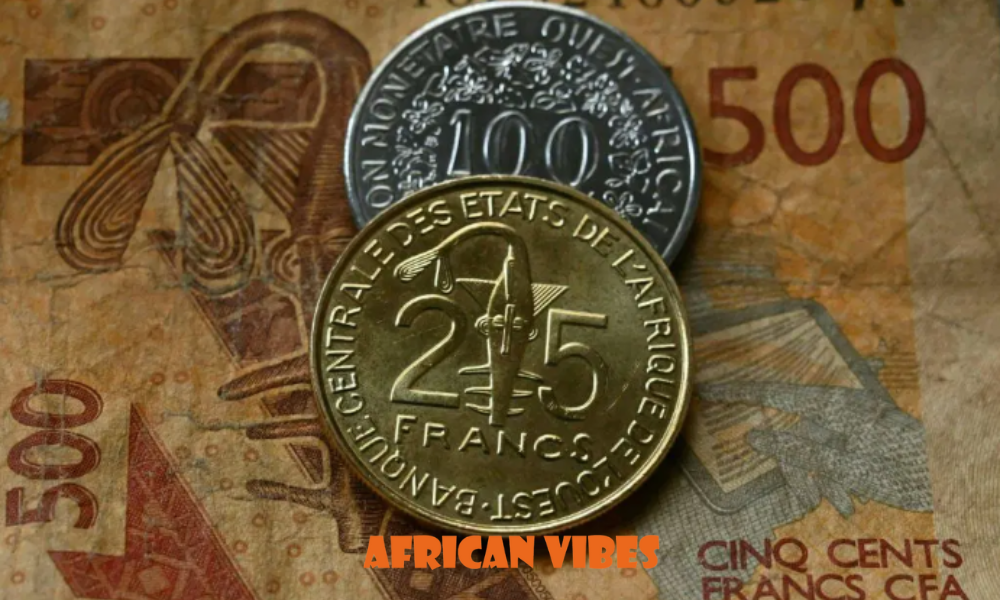
For decades, the CFA franc has been at the heart of heated debates about sovereignty, economic dependence, and neo-colonialism in Africa.
As of 2025, between 10 and 14 African nations still operate within this currency zone, tied to France through legal and financial arrangements that date back to independence in the late 1950s and early 1960s.
While reforms since 2019 have reshaped parts of the system, the CFA franc continues to raise tough questions about whether it represents financial stability or a lingering colonial tax.
ALSO READ: Burkina Faso Breaks Colonial Ties: Drops French as Official Language
Which African Countries Still Use the CFA Franc in 2025?
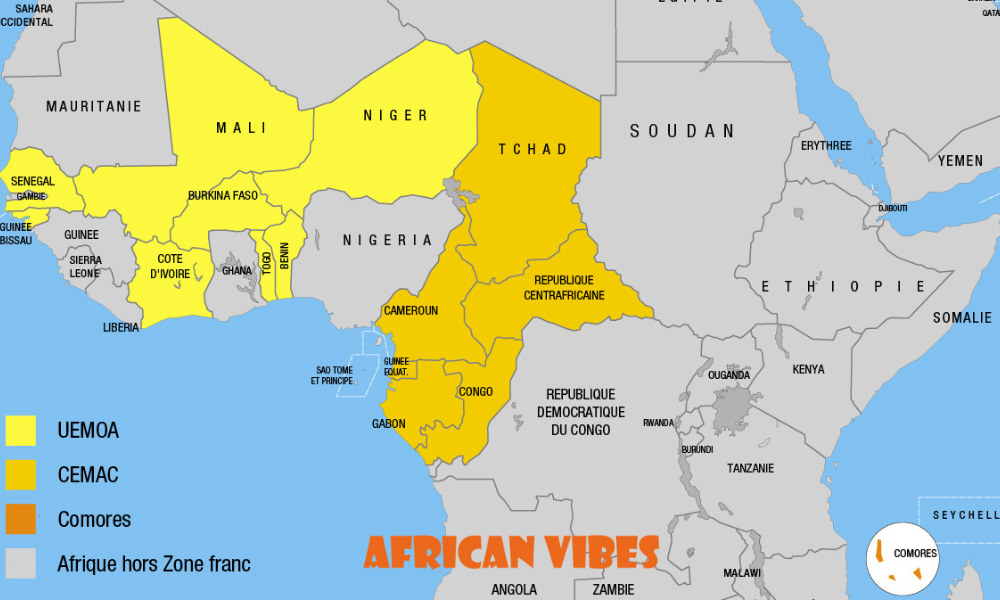
The CFA franc actually exists in two zones, both pegged to the euro and historically guaranteed by France:
- West African Economic and Monetary Union (WAEMU / UEMOA):
- Benin
- Burkina Faso
- Côte d’Ivoire
- Guinea-Bissau (a Portuguese-speaking exception)
- Mali
- Niger
- Senegal
- Togo
- Central African Economic and Monetary Community (CEMAC):
- Cameroon
- Central African Republic
- Chad
- Republic of Congo
- Equatorial Guinea (a Spanish-speaking exception)
- Gabon
In total, 14 African countries still use the CFA franc. Some, like Guinea (1958), Mauritania (1973), and more recently Mali (temporarily in the 1960s), attempted to exit the system, though only Guinea successfully retained its own currency. Recent political upheavals in Mali, Burkina Faso, and Niger have also put their membership in question, but their economies remain CFA-linked for now.
How the 50% Reserve Requirement Works
Historically, member states were required to deposit a fixed percentage of their foreign exchange reserves into an “operations account” held at the Banque de France. For decades, this was as high as 65% plus 20% for financial liabilities, totaling up to 85% of reserves in some years.
- Since reforms, the requirement has been 50% of reserves, giving France the ability to monitor liquidity and guarantee convertibility of the CFA franc to the euro.
- In practice, this means that half of WAEMU and CEMAC countries’ foreign reserves are effectively managed by the French Treasury rather than by their own central banks.
- France, in turn, guarantees unlimited convertibility of the CFA franc into euros, which supporters argue stabilizes inflation and trade, but critics say locks African states into economic dependency.
The Legal Origins: Independence Agreements
The roots of the CFA system trace back to colonial-era accords signed as African nations gained independence in the late 1950s and early 1960s. These agreements established:
- Operations Accounts in Paris, where reserves were held.
- French representation on the boards of African central banks.
- Convertibility guarantees ensuring the CFA franc’s stability.
These treaties were presented as a safety net for fragile post-colonial economies but have increasingly been viewed as a structural continuation of colonial control.
Reforms Since 2019
Growing criticism from African intellectuals, youth movements, and even presidents forced reforms beginning in December 2019:
- WAEMU (West Africa):
- France agreed to end the obligation to keep 50% of reserves at the Banque de France.
- French representatives lost their seats on WAEMU’s central bank boards.
- The CFA franc is set to be replaced by a new regional currency, the ECO, though political and logistical delays have stalled implementation.
- CEMAC (Central Africa):
- As of 2025, Central African states still maintain the 50% reserve rule, and reforms have been slower.
- This zone remains tightly bound to France’s financial oversight.
What If the Reserve Requirement Disappeared?
If a CFA country were to fully eliminate the reserve requirement with France, several economic outcomes could follow:
- Greater Monetary Sovereignty:
Countries would gain direct control over their reserves, enabling them to finance development, infrastructure, and regional trade without Paris’ oversight. - Increased Risk of Instability:
Without France’s convertibility guarantee, economies might face currency depreciation, higher inflation, or capital flight—especially those heavily dependent on imports. - Opportunity for Regional Integration:
Freed reserves could strengthen institutions like the African Continental Free Trade Area (AfCFTA) and allow for deeper South-South trade and investment. - Political Symbolism:
Exiting the reserve system would be a powerful gesture of post-colonial independence, appealing to rising nationalist movements in Mali, Burkina Faso, and Niger.
Conclusion
The CFA franc, once marketed as a tool of stability, has become a lightning rod for Africa’s struggle between economic sovereignty and external dependence. While reforms since 2019 have loosened France’s grip, especially in West Africa, Central Africa remains firmly under the reserve system.
As of 2025, the question remains: will the CFA franc evolve into a truly African-managed currency like the ECO, or will it continue to symbolize what many call a “colonial tax”—a financial chain binding independent nations to their former colonizer?