


Is Colonialism Driving Africa’s Challenges or Has It Become a Default Excuse?
In 1957 Ghana became the first sub-Saharan African country to gain independence from Britain. Three years later in 1960 Ghana had a higher GDP per capita than South Korea — a country that had just been freed from Japanese colonial rule in 1945. Both colonized. Both starting from scratch. Today South Korea’s GDP per capita is $36,000. No country in sub-Saharan Africa earns a quarter of that.
In 1965 Singapore was released from British colonial rule with a GDP per capita of $516, zero natural resources and neighbors who expected it to collapse. Today Singapore’s GDP per capita is higher than the United States. Rwanda was colonized by Germany then Belgium. Belgian colonialism did not just take resources. It deliberately divided the Hutu and Tutsi peoples, issued ethnic ID cards, and created the exact fault lines that exploded into a genocide in 1994 killing 800,000 people in 100 days.
If any country earned the right to say colonialism broke us beyond repair it was Rwanda. Rwanda is now the most functional, least corrupt state in Africa. Built in 30 years from the wreckage of a genocide that colonial policy helped design. Here is where it gets complicated.
Some will say the comparisons are unfair. That France still controls the monetary policy of 14 African countries through the CFA franc. That the IMF has spent decades prescribing policies that serve lenders not citizens. That Asian economies received Marshall Plan style investment that Africa never got. That colonial borders carved the continent into incoherent states designed to be weak.
These arguments are not wrong. Others will say that African leaders have looted the same countries colonizers extracted from. That billions in oil revenue disappeared in Nigeria. That Zimbabwe destroyed its own economy. That no colonial power forced those decisions. These arguments are also not wrong.
So here is the question someone in this community submitted for discussion: Is colonialism still the reason or is it becoming the excuse? And what would actually change things? Not who is to blame. What is the solution.
What would it take for the brain drain to reverse? For an African passport to command respect? For the continent to become somewhere its own people choose to stay?
https://www.instagram.com/p/DZenEYgmoX7/?img_index=1
💬Let’s Talk About It
instagram.com
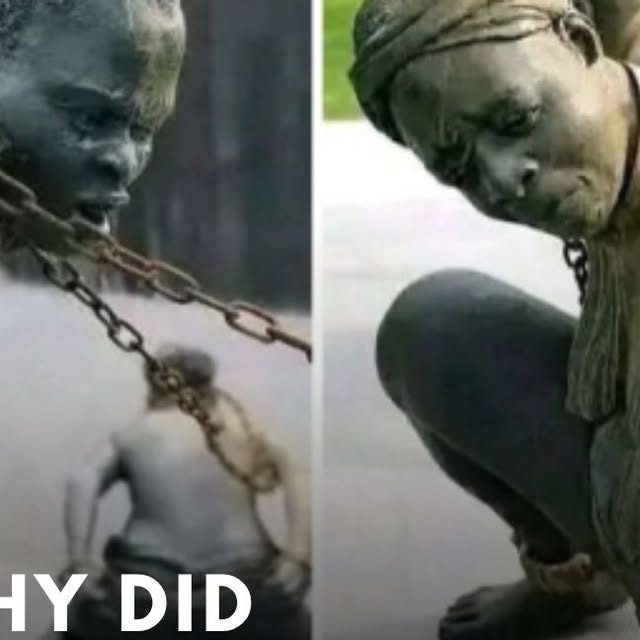
1,369 likes, 334 comments - africanvibes on June 12, 2026: "Why did colonization break Africa, but build Asia? 🤔 Both regions were stripped of wealth. Yet, South Korea and Singapore went from third-world to first-world in one generation, while resource-rich … Continue reading