


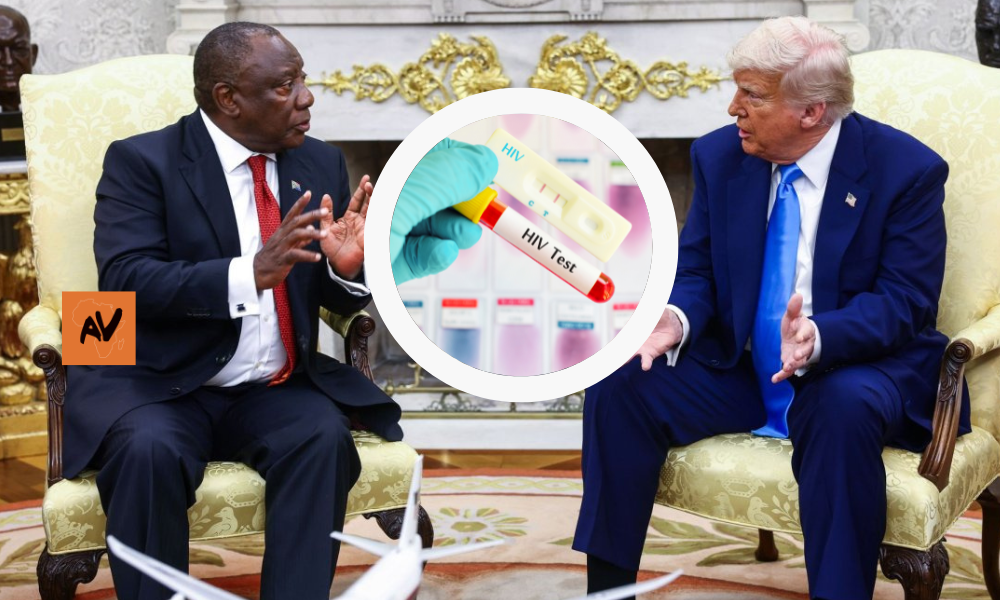
For more than two decades, South Africa’s battle against HIV/AIDS has been supported by one of the most ambitious public health initiatives in modern history.
Now that partnership is coming to an end.
The United States has confirmed it will permanently withdraw funding from the President’s Emergency Plan for AIDS Relief (PEPFAR) in South Africa, ending a programme that has helped sustain the country’s HIV response since 2003.
The decision affects funding estimated at between $300 million and $400 million annually and comes at a critical moment for a country that remains home to the world’s largest population of people living with HIV.
While South African officials insist they have been preparing for this outcome since early 2025, health experts warn the withdrawal could place enormous pressure on clinics, healthcare workers, and vulnerable communities that have relied on PEPFAR-backed services for years.
The move also signals a broader shift in Washington’s foreign aid priorities and raises questions about whether other African nations could soon face similar reductions.
Why South Africa Matters
South Africa sits at the centre of the global HIV response.
According to UNAIDS, approximately 7.8 million South Africans are living with HIV—more than any other country in the world. Over the past two decades, significant progress has been made in expanding access to treatment, reducing mother-to-child transmission, and improving life expectancy.
Much of that success has been supported by PEPFAR, a programme launched by former US President George W. Bush in 2003.
Since its creation, PEPFAR has been credited with helping save more than 25 million lives globally and preventing millions of HIV infections across Africa and other developing regions.
But contrary to popular belief, most PEPFAR funding in South Africa has not been used to purchase antiretroviral medicines.
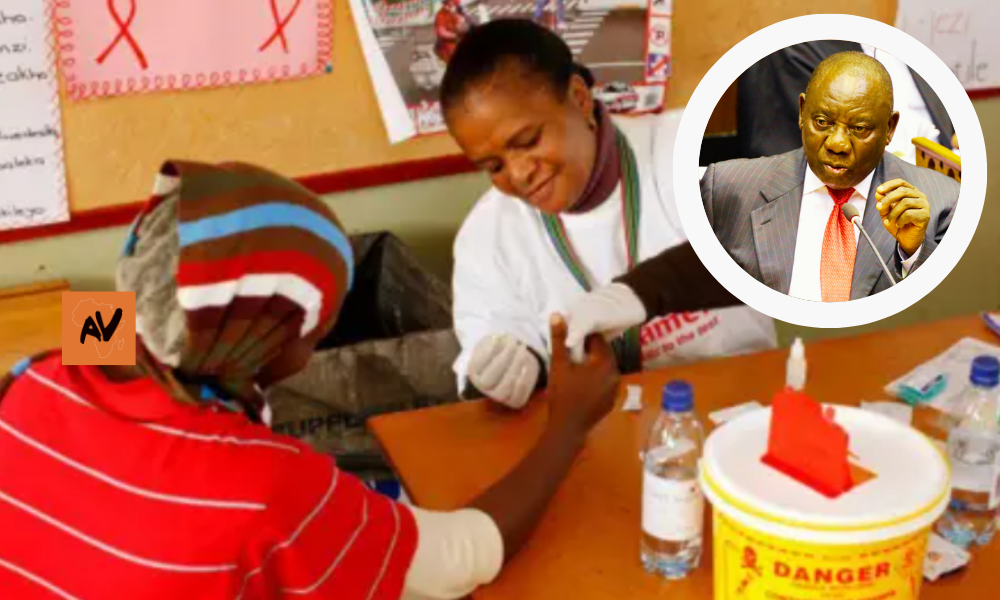
Instead, it has financed the human infrastructure behind HIV treatment—community health workers, patient tracers, counsellors, data specialists, outreach teams, and support staff who ensure patients remain connected to care.
Health experts say this distinction is crucial.
The medicine may still be available, but without the people and systems that keep patients engaged in treatment, years of progress can quickly begin to unravel.
How the Relationship Broke Down
Officially, the US State Department argues that South Africa has reached a stage where it should be capable of financing its own HIV response.
Officials have described the country as an upper-middle-income economy with sufficient resources to take greater ownership of public health programmes.
However, the decision cannot be separated from the broader diplomatic tensions that have emerged between Washington and Pretoria over the past two years.
Relations deteriorated sharply following disagreements over South Africa’s foreign policy positions, Black Economic Empowerment legislation, land reform debates, and Pretoria’s genocide case against Israel at the International Court of Justice.
In February 2025, President Donald Trump signed Executive Order 14204 directing US agencies to review aid to South Africa while citing concerns over domestic policies affecting the country’s white Afrikaner minority.
What began as a temporary aid review soon evolved into a wider reassessment of US support programmes, including PEPFAR.
By June 2026, American officials confirmed that the HIV programme would be phased out entirely.
For many observers, the decision reflects a geopolitical dispute that extends far beyond public health.
The Immediate Impact
The consequences are already being felt.
Thousands of healthcare-related jobs linked to donor-funded programmes have reportedly disappeared, while several clinics have reduced services or scaled back outreach operations.
KwaZulu-Natal, one of South Africa’s most HIV-affected provinces, has experienced some of the earliest disruptions.
The Aurum Institute, one of the country’s major HIV programme partners, has dramatically reduced staffing in some rural areas following funding cuts.
Healthcare workers fear treatment interruptions could lead to increased rates of drug resistance, rising infections, and setbacks in efforts to control the epidemic.
While South Africa funds the majority of its HIV response from domestic sources, experts note that replacing specialised personnel and community-based support systems is far more difficult than simply reallocating budget funds.
ALSO READ : Senegal President Faye Dismisses Prime Minister Sonko in Dramatic Power Split
Could Other African Countries Be Next?
South Africa may be the largest headline, but it is not the only country facing uncertainty.
Several African nations remain significantly more dependent on PEPFAR support than South Africa.
Mozambique, for example, has historically relied on the programme for a substantial portion of its HIV funding. Lesotho, Eswatini, Zambia, Malawi, and several other countries also continue to depend heavily on external donor support.
Public health researchers warn that widespread reductions across Africa could reverse decades of progress against HIV/AIDS.
Modelling studies suggest that millions of additional infections and hundreds of thousands of preventable deaths could occur over the next decade if countries are unable to replace lost funding.
The concern is not simply financial.
No other donor currently has the scale necessary to replace the United States, which accounted for nearly three-quarters of all international HIV assistance in low- and middle-income countries.
ALSO READ: Aliko Dangote Unveils Mega Refinery Project to End East Africa’s Fuel Imports
South Africa’s Next Challenge
South African officials have attempted to strike a measured tone.
Health Minister Aaron Motsoaledi has described the funding withdrawal as a “wake-up call” and emphasised the need for greater self-reliance.
The government is exploring alternative financing mechanisms while accelerating plans for its National Health Insurance programme.
Yet even supporters of greater domestic ownership acknowledge that transitions of this magnitude usually take years, not months.
The central debate is no longer whether countries should eventually fund their own HIV programmes.
It is whether such a transition can happen quickly enough to avoid disrupting treatment for millions of people.
The Bigger Picture
The withdrawal of PEPFAR funding from South Africa marks more than the end of a health programme.
It represents a significant shift in the relationship between Africa and its largest health donor.
For supporters of self-reliance, it is a necessary step toward reducing long-term dependence on foreign aid.
For critics, it risks undermining one of the most successful public health initiatives ever created.
What happens in South Africa over the next two years may determine whether other African nations can successfully navigate a similar transition—or whether the continent faces a new chapter in the global fight against HIV/AIDS.